
 Rose hips are one of the last wild gifts of the year, and turning them into honey is a slow, sticky, deeply satisfying ritual.

Foraging for Wild Mint: A Summer Ritual by the Creek
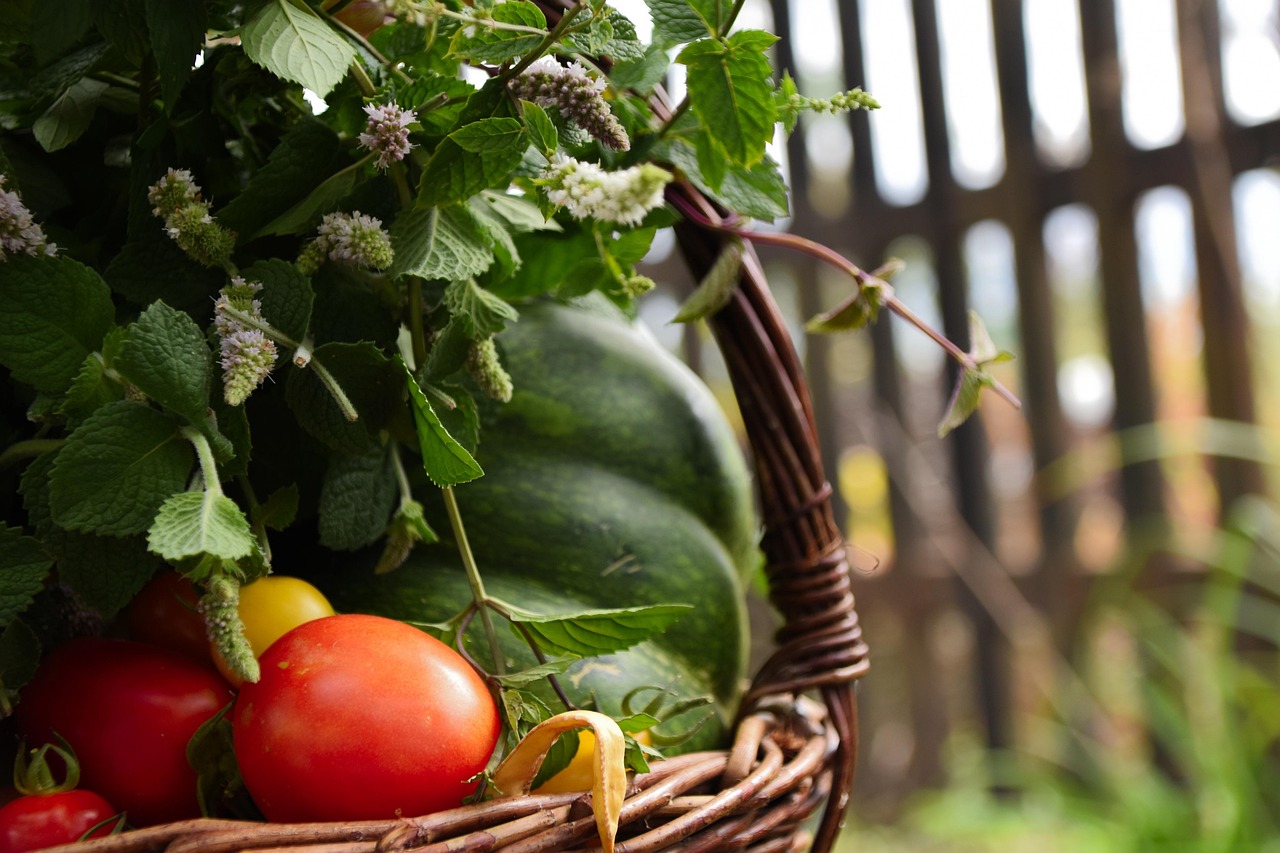
In the heat of July, when the garden is bolting and the afternoons feel thick with humidity, I find myself drawn to the creek. It runs along the edge of our property, shaded by willows and lined with the kind of lush, unruly growth that only happens near water. And there, in the damp soil just above the waterline, wild mint grows in abundance. I can smell it before I see it, a cool, sharp sweetness that cuts through the heavy air like a blade.
Foraging for wild mint is one of the great pleasures of midsummer. It is generous and easy to identify, and it seems to thrive in the kind of places that are pleasant to linger in anyway. I bring a pair of scissors and a basket, and I crouch by the creek for an hour or more, snipping sprigs and breathing in the scent. It is meditative work, the kind that asks for attention but not effort. By the time I stand up, my knees are muddy and my basket is full, and I feel more alive than I have in weeks.
Identifying and Harvesting with Care
Wild mint is a forgiving plant to learn, but it does have lookalikes. The key is in the stem and the scent. True mints have square stems, which you can feel by rolling them between your fingers, and they grow opposite leaves in pairs along the stem. Most importantly, they smell unmistakably minty. If you crush a leaf and it does not release that cool, familiar fragrance, it is not mint. Some lookalikes, like certain species of nettle or bugleweed, are not dangerous but are unpleasant, so it is worth taking the time to be sure.
I harvest only the top few inches of each plant, leaving the lower leaves to photosynthesize and the roots to spread. I never take more than a third of any patch, and I move on to another spot once I have gathered enough. This is not just good stewardship; it is also good foraging. The plants will regrow, and I will have mint again next year, and the year after that, as long as I am careful.
From Creek to Cup
Back in the kitchen, I rinse the mint and spread it out to dry on a clean towel. Some of it I use fresh, muddled into a glass of cold water with lemon, which is perhaps the most refreshing thing I know how to make. The rest I bundle and hang in a dark corner of the pantry, where it will dry over the next week or two. Once dry, I strip the leaves and store them in a glass jar, where they will keep their fragrance for months.
In winter, when the creek is frozen and the willows are bare, I will open that jar and breathe in July. I will make tea and remember the heat, the mud, the sound of water moving over stones. Foraging is not just about gathering food. It is about gathering moments, storing them up against the cold. A jar of dried mint is a small promise that summer will come again.
If you go looking for wild mint, take your time. Sit by the creek. Let the water do its quiet work on you. The mint will still be there when you are ready.